Profile: Charles Davis Garland (1730-1810)

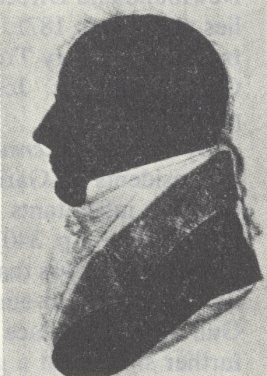
Charles Davis Garland

Silhouette of Charles Davis Garland

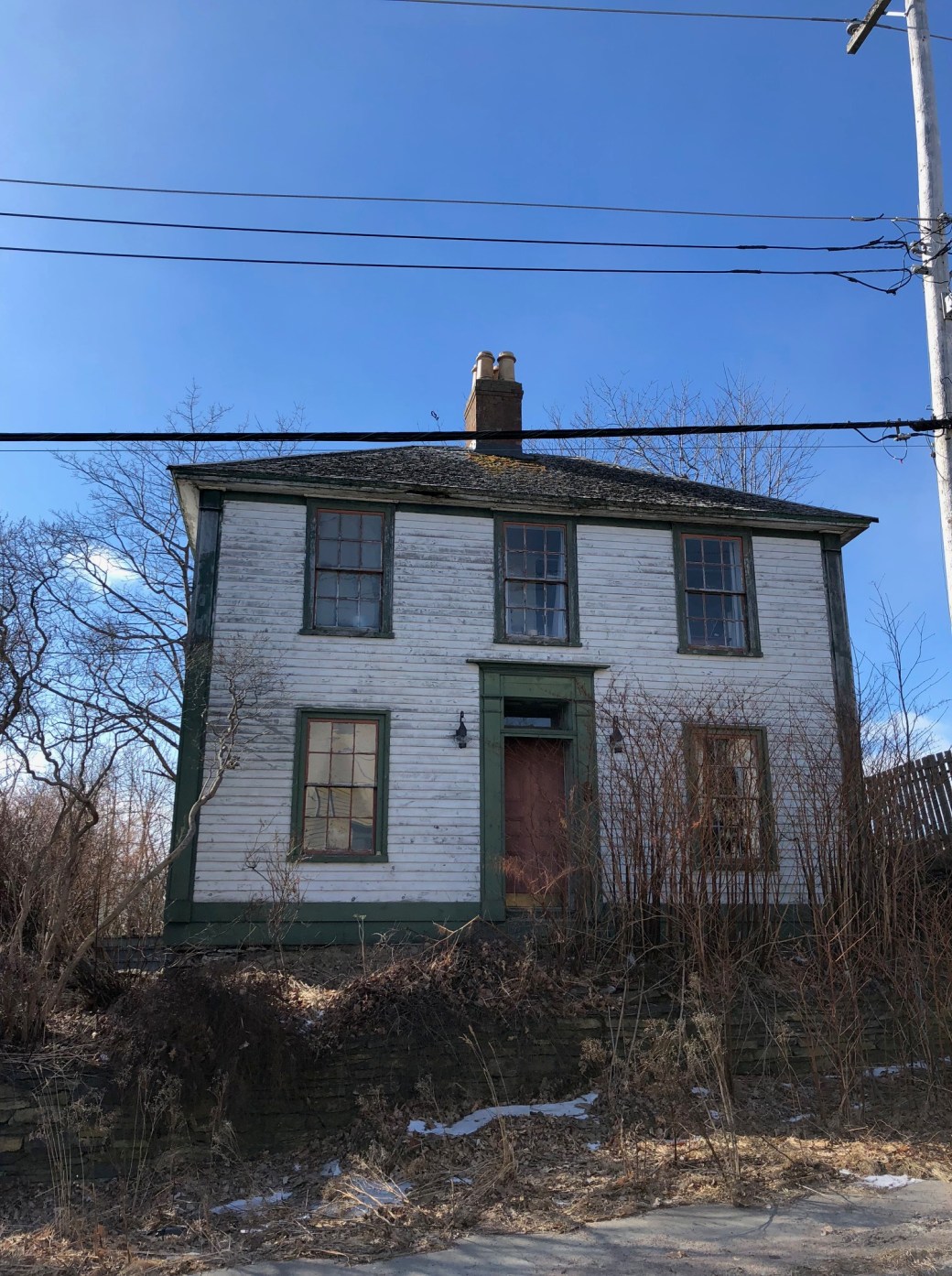
Born in 1730 in Musketta (Mosquito; later Bristol’s Hope), the son of George Garland (1677-1763), Charles Davis Garland was a planter with extensive holdings and properties in Conception Bay during the latter half of the eighteenth and the early nineteenth centuries. While he did participate in the fishery to some degree, he rented most of his holdings to migratory fishers and planters. These rental properties included several plantations in Harbour Grace and Musketta (Bristol’s Hope) and fishing rooms at Musketta and Devil’s Cove (later Job’s Cove). He also claimed haying and grazing privileges on Little Bell Island, Harbour Grace Island and Carbonear Island. Garland was also involved in the transatlantic mercantile trade and was part owner of several ships, including the Nancy, Friendship and Charlotte.

In 1755 Garland was appointed a magistrate for the Conception Bay area. One of his first acts, on behalf of Governor Richard Dorrill, was to investigate charges that Roman Catholic masses had been celebrated publicly in Conception Bay, contrary to the laws governing religious practices in Newfoundland. Garland’s preliminary investigation determined that a priest had performed mass at Caplin Cove, north of Carbonear, but that he had left and gone to Harbour Main. Garland was able to gather confessions from Michael Katem and Michael Landrican, two planter-priests, that they had celebrated the mass. Their properties were burned, and the two men were subsequently hit with heavy fines and exiled from Newfoundland.

In 1762 Garland helped organize the defence of Conception Bay against French invaders. In the same year he also marshalled a group of 50 volunteers to become part of Colonel William Amherst’s force, to help recapture St. John’s; he also provided boats and landing craft for the men. His service gained him an official commendation, with the London Chronicle reporting on his deeds. This same year he was given the added responsibility of Deputy Customs and Naval Officer.

As one of Newfoundland’s early peace officers in a developing civil service, Garland performed a varied role in a controversial office, during a precarious period in Newfoundland’s history. He served under many Naval Governors, whose views and interpretations of the act governing Newfoundland often differed. Also, British merchants and captains sometimes challenged his authority, conduct and integrity. Over most of his public career Garland tried to gain a livelihood from the fishery and trade, occupations that tended to draw him into a conflict of interest with his role as a peace officer. One such example was when Governor Sir Hugh Palliser temporarily relieved Garland of his duties in 1765, citing a dispute with a Devonshire merchant over an unpaid bill. Garland was eventually reappointed in 1766.

Local tradition in Harbour Grace maintains that in 1764-5 Garland gave some of his property in Harbour Grace to Rev. Laurence Coughlan, enabling the construction of Harbour Grace’s first Anglican church and parsonage.

Notably, Garland purchased a plantation at Harbour Grace in 1770 known as “The Grove,” near Bears Cove point, for which he paid 50 pounds to a Jersey merchant, Nicholas Fiott—the same Nicholas Fiott whom Coughlan chastised as “leading an immoral life” in May 1772. In 1805 “The Grove” contained two stages, three fish flakes, four dwellings, three vegetable plots and a meadow.

In 1799 he was appointed a surrogate judge with a yearly remuneration of £60. Rev. Lewis Anspach succeeded him as Surrogate Judge in Conception Bay in 1810.

Garland died at Harbour Grace on March 8, 1810, aged 79.

This post is part of the Harbour Grace Notebook series. Follow the updates on social media with the hashtag #hgnotebook.


Sources & Further Information

“Garland, Charles Davis.” Encyclopedia of Newfoundland and Labrador, 1981, p. 478.

Hancock, W. Gordon. “Charles Garland.” Dictionary of Canadian Biography, http://www.biographi.ca/en/bio/garland_charles_5E.html. Accessed 7 March 2019.
Profile: Cron House / Thornhill / Bellevue (1879)

Screen Shot 2019-03-07 at 12.09.25 AM

This century old house on Water St East is actually two houses. The contract for the building of the front house was let in September 1878. An agreement drawn up at the time between Thomas R. Bennett and Edward Comer, master carpenter, specified that Bennett would supply materials and Comer would be paid £85 in three instalments for his labour.

The back of the house was a preexisting structure, which craftsmanship indicates may predate the 1879 house by forty or fifty years. It was possibly moved a short distance to the present site, to be joined to the newer house.

Thomas R. Bennett (1830-1901)

Thomas R. Bennett 

A native of Windsor, Nova Scotia, Bennett moved to Fortune Bay in 1853, where he established a fishery supply business. This business proved profitable, particularly in trade with the antebellum southern United States. He eventually ran for politics, serving as MHA for Fortune Bay from 1865-74 and as Speaker of the House of Assembly from 1869-73. He was appointed to the bench in 1873, holding the post of Judge of the Northern District Court at the time he built his home in Harbour Grace. He served as magistrate for 25 years, from 1873-98. He died in Harbour Grace on August 13, 1901.

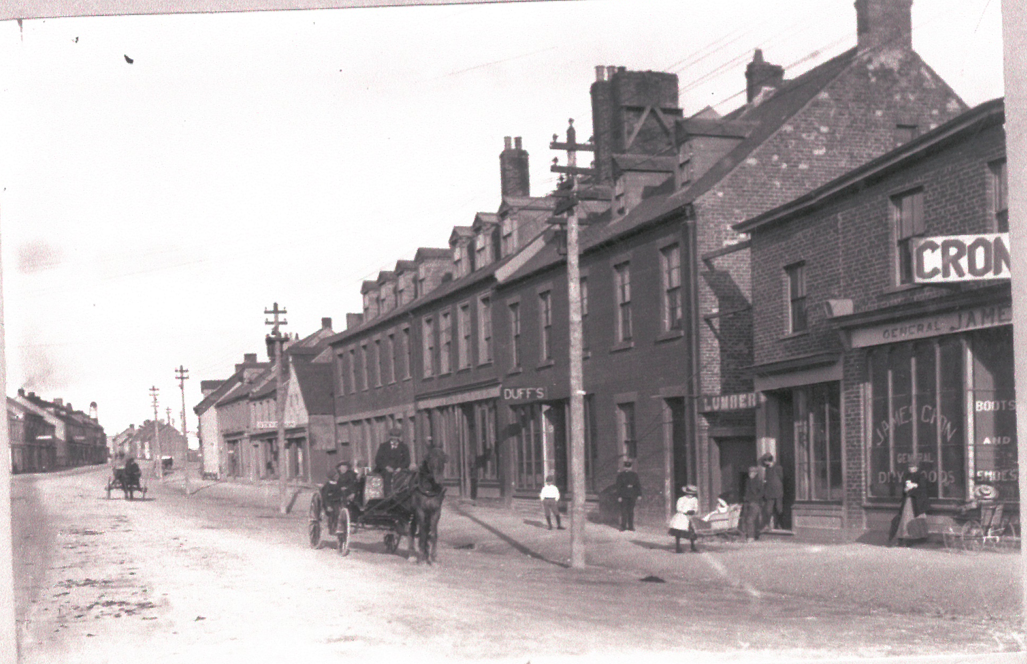
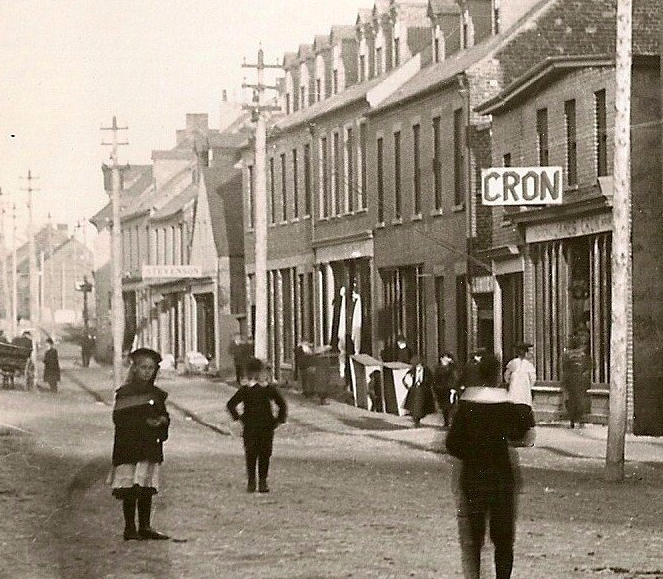
James Cron's draper shop (left)

Cron’s draper shop (left); old Post Office (far right)

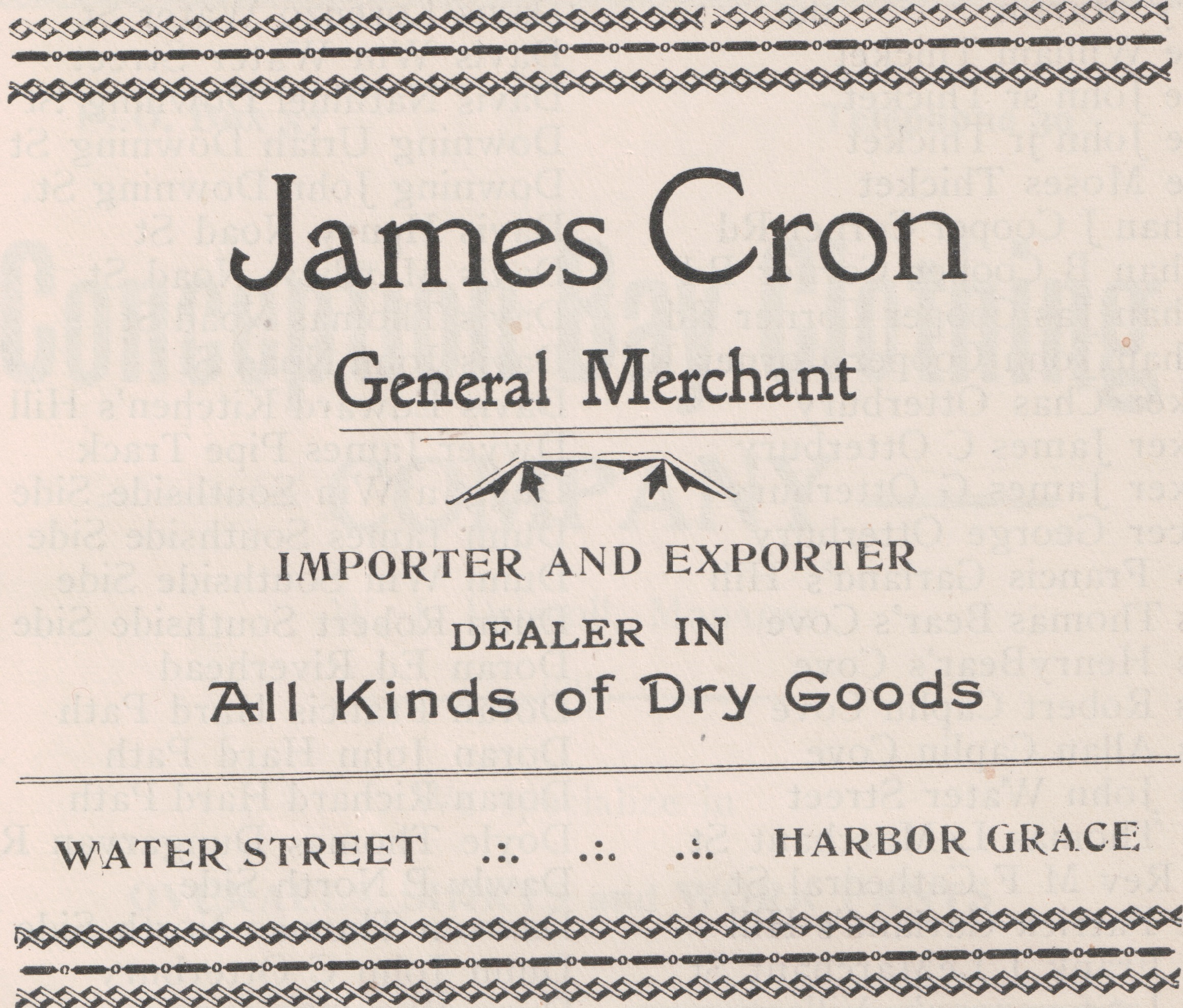
In 1902 Bennett’s widow sold the unit to James Maxwell Cron, a prominent Harbour Grace merchant; Cron owned a draper’s shop on Water Street and raised his ten children at the house, which became known as Thornhill, after Cron’s hometown in Scotland, and, later, as Bellevue. (Coincidentally, Bennett’s mother-in-law’s maiden name was Thornhill, too.) Notably, Thornhill was the childhood home of Dr. Charles Cron–a son from James Cron’s first marriage to Frances Katherine Ross–the McGill-educated, well respected local doctor.

James Cron occupied the house until his death in 1935. He willed the property to Frederick Robert Cron, a son from his second marriage to Emma Martin. Robert raised his family at Thornhill, living there until his death in 1972.

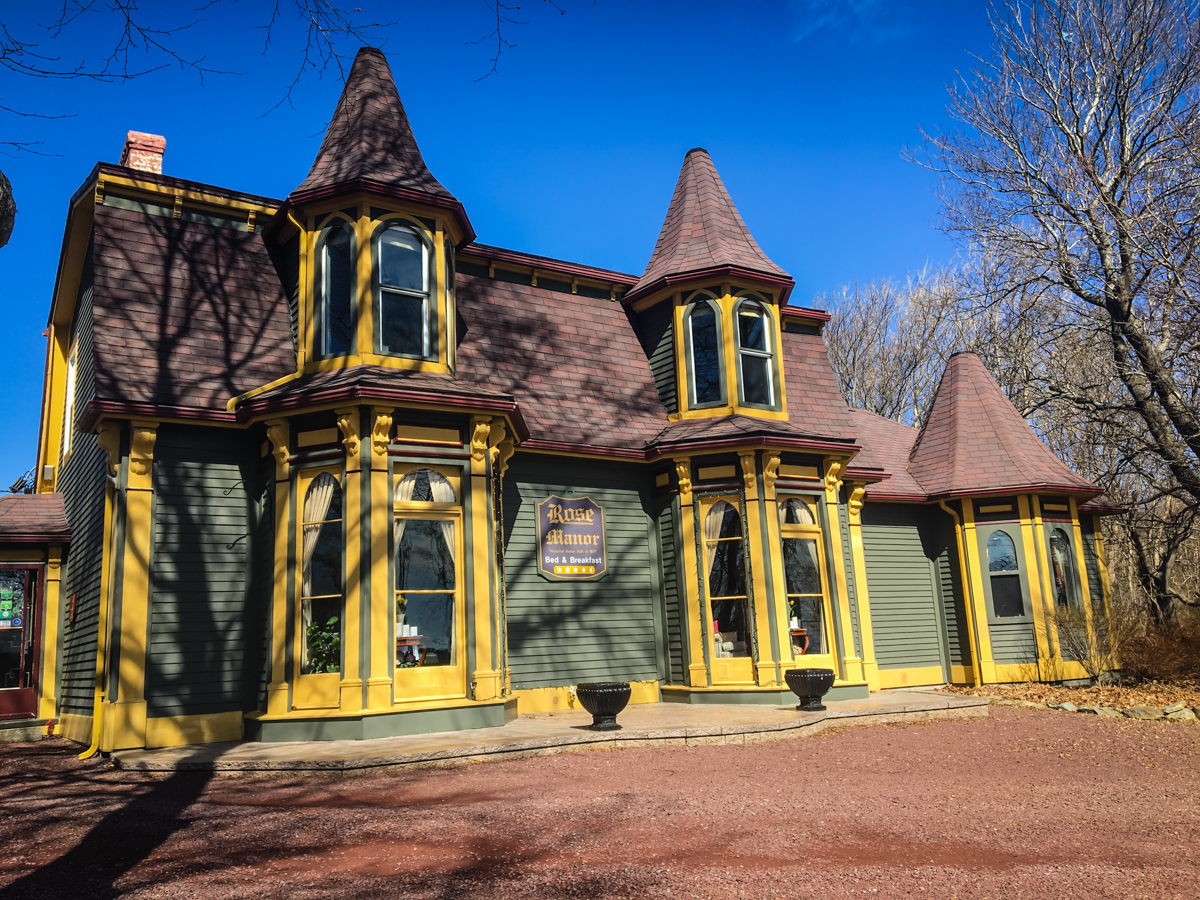
The house now serves as a bed-and-breakfast and event space, Belle View Manor Inn.

Sources & Further Information

Collins, Patrick J. Dr. Charles Cron: A Doctor for All Time, A Man Who Cured Our Hearts. Bowmark, 2010. Print.

Ball, J.M. Ten Historic Towns: Heritage Architecture in Newfoundland. Newfoundland Historic Trust, 1978. Print.

“Bennett, Thomas R.” Encyclopedia of Newfoundland and Labrador, 1981, pp. 177-8.

Artifact Profile No. 2: Portrait of Ernest Sheppard

Ernest Sheppard (1878-1955), Veteran of the Boer War

Ernest Sheppard (1878-1955), veteran of the Boer War.

Ernest Sheppard was born on March 4, 1878, to John Coryer Sheppard (1851-1932) and Janet (Courage) Sheppard (1853-1936), of Harbour Grace. In 1891, at the age of sixteen, Sheppard left Newfoundland to find employment in mainland Canada and the United States. When in Halifax, Nova Scotia, the Boer War started in South Africa, and Sheppard enlisted with the Lord Strathcona’s Horse, a mounted Canadian regiment raised and funded by the eponymous Canadian millionaire.

According to his military discharge papers (see below), on March 8, 1901–Strathcona’s Horse disbanded the next day–Sheppard enlisted in the South African Constabulary (SAC), a paramilitary force raised by the British army during the war. Intended as a transitional policing force after peace was established, the SAC performed a much larger combat role than originally anticipated. Major-General Robert Baden-Powell, its commander, filled the SAC with a number of Canadians, after their impressive showing at the Relief of Mafeking on May 17, 1900. Sheppard served with the SAC for five years, leaving on March 7, 1906. His discharge papers note his conduct as “very good.” The SAC disbanded on June 2, 1908, six years after the war ended.

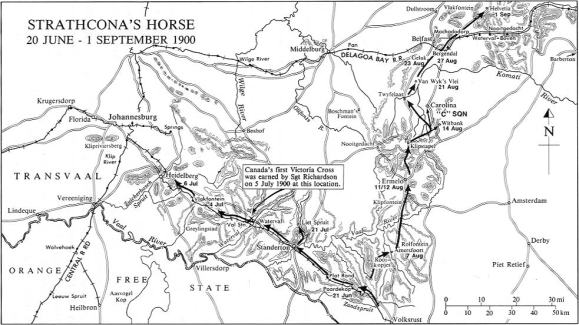
Movements of Strathcona's Horse, 20 June - 1 September 1900

Movement of Strathcona’s Horse, June 20 – September 1, 1900. Sheppard was likely part of this maneuver. (Photo courtesy warmuseum.ca.)

Shortly after returning from Africa, Ernest married May Catherine Payne; the two took up residence at Payne House, a row house her father constructed in 1856. The pair had two children, Harold and Frank (1910-1997). After May Catherine died in 1922, Sheppard later married Anne Beatrice Smith (1886-1974).

In 1912 Sheppard became the ferryman of the M.V. Muriel, the first engine-powered ferry to transport people between Harbour Grace, Harbour Grace South, and Riverhead. Sheppard operated the ferry until 1932, when the Newfoundland government discontinued the service to cut costs. His twenty-year service without accident earned him recognition that same year. Having some experience as a cooper in his earlier years–his military records state his occupation as such–Sheppard opened a cooperage near the waterfront behind his home, where he sold and repaired barrels. In 1940 he retired from business.

On March 4, 1955, Sheppard passed away at St. Clare’s Hospital, St. John’s. He is buried with his second wife, Anne Beatrice, at the Church of England Cemetery in his hometown, Harbour Grace. His headstone reads: “VETERAN OF THE BOER WAR.” Notably, Sheppard was a member of Masonic Lodge No. 476: the square and compass iconography of freemasonry figures prominently on his headstone. His obituary, printed in the Daily News on March 11, notes his “fifty-year” membership in the Lodge.

Portrait & Military Discharge Papers

IMG_0579

Housed in a filigreed wooden frame, Sheppard’s portrait measures 24.5′ x 28.5′. According to John Payne, the portrait once hung above the brick fireplace at Payne House. A relative later donated this artifact to the Museum for posterity. Today, it hangs above the World War I & II uniforms displayed in our glass cabinet. Sheppard is pictured on a horse holding his rifle, with an ammunition belt draped across his chest. His uniform is unique–a wide-brimmed Stetson with knee-high, leather cowboy boots (called the Strathcona Boot). Sheppard fits the nickname for Strathcona’s Horse: “Canadian”–or Newfoundland–“cowboys.”

Sheppard’s military discharge papers (pictured below) note some interesting biographical facts, namely his medals–King’s and Queen’s Clasps–and former occupation, “cooper.”

Payne House (1856)

Payne House (1856), Registered Heritage Structure.

Sheppard’s biography is particularly unique, for various reasons. First, his military career broadens the accepted narrative of the “Fighting Newfoundlander”: Harbour Grace natives were fighting in imperial conflicts long before the Great War. (He’s not alone in this regard: Sir Henry Pynn famously fought in the Irish Rebellion [1798] and Napoleonic Wars.) Secondly, his career trajectory harkens back to a bygone era of Harbour Grace, the days when ferries were needed for quick transportation across the harbour, and handmade barrels required for storing and shipping goods. Thirdly, his connection to Harbour Grace’s early built heritage is worth noting: he lived in Payne House, a Registered Heritage Structure which recalls Water Street’s nineteenth-century architecture, before the third “Great Fire” of Harbour Grace in 1944.


This post is part of the Harbour Grace Notebook series. Follow the updates on social media with the hashtag #hgnotebook.

Author’s note: If you have any additional information (or corrections) on the life of Ernest Sheppard, cooper, ferryman, and veteran of the Boer War, email us. And come see Ernest’s portrait and discharge papers when we reopen in the spring!


— Written by Matthew Gerard McCarthy (Communications Officer) for the Conception Bay Museum, Harbour Grace.

Photo of the Day: Cable & Wireless Workers at Ridley Hall, ca. 1947

21640862_664941330378545_8951095387722179202_o

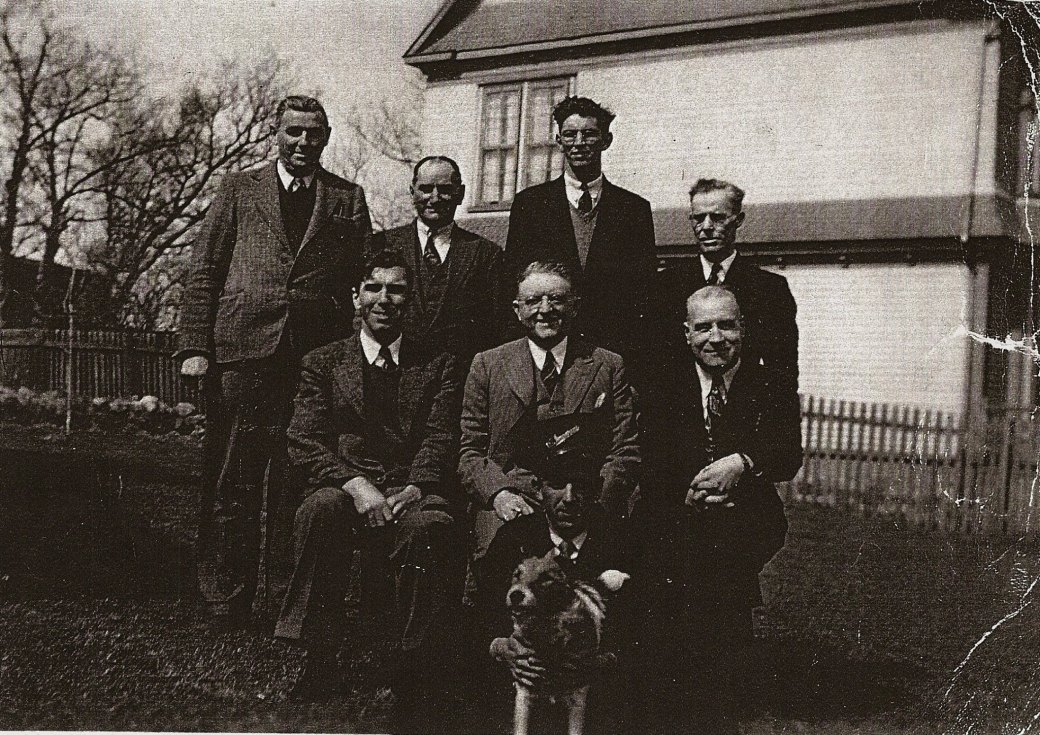
Cable workers outside Ridley Hall, the operating centre of Cable & Wireless Ltd, ca. 1947. In 1929 Imperial & International Communications Company acquired the assets for Harbour Grace’s cable station, changing their name to Cable & Wireless Ltd in 1934.

Back row: Eugene Farnham, Franklin Legge, Neil Legge, Harry Jones
Middle row: John Eades, R.V.C. Middleton (manager), Doug Burke
Front row: Basil E. Martin & Spinks (dog)

Picture courtesy Basil E. Martin. Information courtesy D.R. Tarrant’s Atlantic Sentinel: Newfoundland’s Role in Transatlantic Communications (Flanker, 1999).

Artifact Profile No. 1: Sons of England Benefit Society Ceremonial Altar & Certificate

IMG_0382

George Clatworthy founded the Sons of England Benefit (Benevolent) Society, or SOEBS, in Toronto, Canada, on December 12, 1874, incorporating the organization on February 18, 1875. Unlike the Benevolent Irish Society, or BIS, a non-denominational, but largely Roman Catholic, fraternal charity for the Irish in Newfoundland, the SOEBS was a British, Protestant patriotic organization which assisted people in need. The BIS, too, had existed far longer in Newfoundland–for example, Harbour Grace’s BIS formed in early 1814; 83 years passed before residents formed its first SOEBS branch. In Newfoundland, the BIS found its equivalent in the British Society, formed in 1837.

Assistance from the SOEBS largely came through insurance, provided to members in need because of family illness or other problems. However, its patriotic, fraternal nature was written into its constitution: the SOEBS was an organization to explicitly “foster the British connection and love of Empire.”

In Newfoundland, the SOEBS existed in St. John’s and Harbour Grace. On the invitation of John Coffin, a St. John’s resident, Clatworthy visited the capital to inaugurate the first SOEBS on the island, Lodge Dudley No. 227, on July 16, 1896. Its second branch, Lodge Empire No. 270, later inaugurated in 1905.

Harbour Grace inaugurated its SOEBS branch on May 25, 1897, the year of Queen Victoria’s Diamond Jubilee, the celebration of her 60 years on the British throne. William Oke, former justice of the peace and newspaper publisher, was its president.

The SOEBS ceased its operations in Canada in 1971.

Altar and Certificate of Initiation

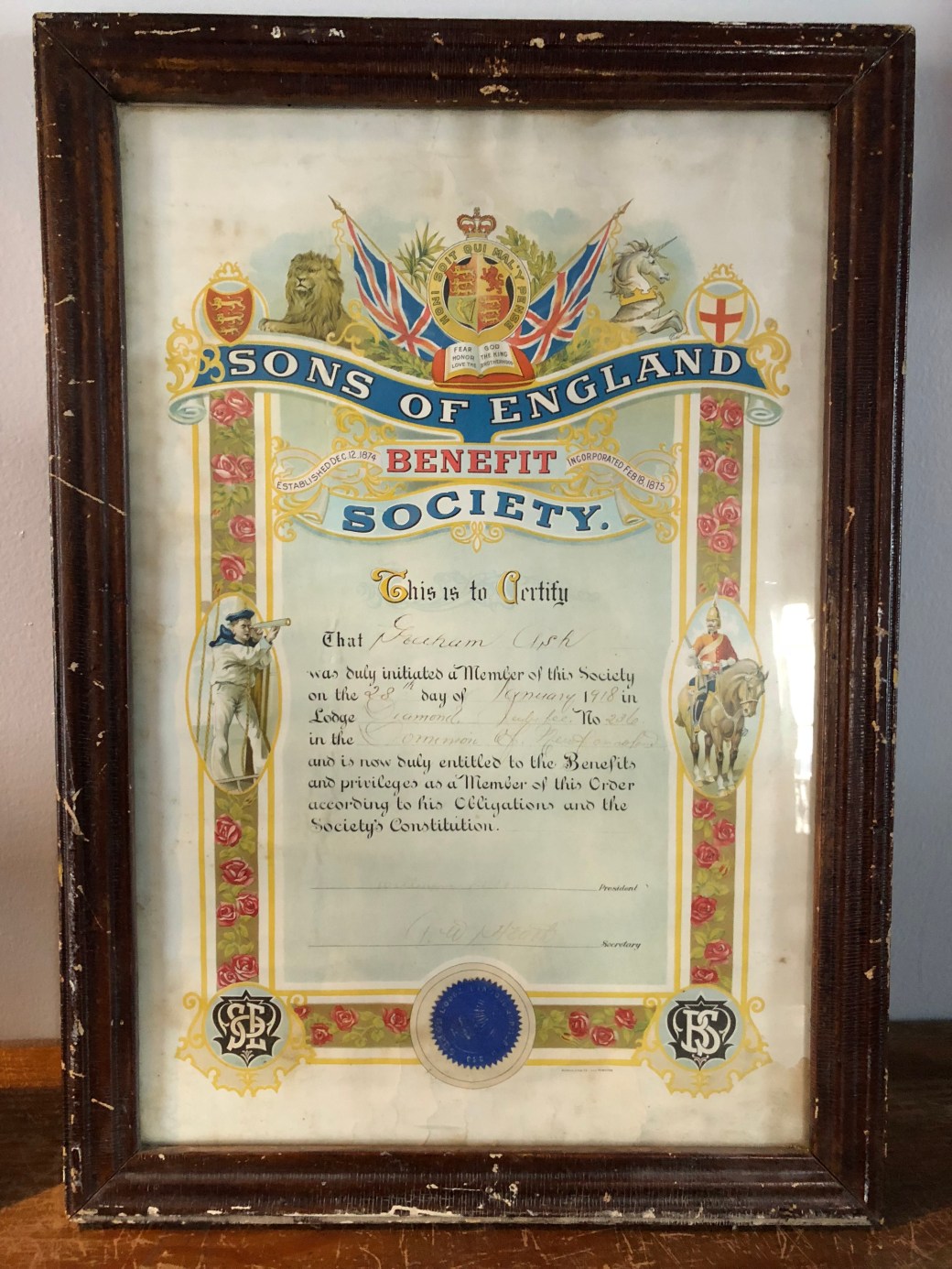
Mrs. Mary Sheppard, of Harbour Grace, donated this ceremonial altar to the Conception Bay Museum in August 2017. The donation included the ceremonial altar (pictured above) and a certificate of initiation (pictured below), granted to Graham Ash on January 28, 1918, by William Oke.

IMG_0385

The certificate reads:

The Sons of England Benefit Society / Established Dec. 12, 1874 / Incorporated Feb. 18, 1875 / This is to Certify That Graham Ash was duly initiated a Member of this Society on the 28th day of January 1918 in the Lodge Diamond Jubilee No. 236 in the Dominion of Newfoundland and is now duly entitled to the Benefits and privileges as a Member of this Order according to his Obligations and the Society’s Constitution. William Oke[,] President. A. W. Heath[,] Secretary. 

The certificate bears the hallmarks of fervent British patriotism: the Royal Coat of Arms is in the centre, the English lion, left, the Scottish unicorn, right; the Three Lions, top left; Saint George’s shield, top right; a British sailor, middle, left; a cavalryman, middle, right; and the SOEBS logos, bottom, left and right. The opened text at the top, centre, reads: “Fear God / Honor the King / Love the Brotherhood.” The French script around the Royal Coat of Arms is the motto of the chivalric Order of the Garter: “Honor soit qui mal y pense”–“May he be shamed who thinks badly of it.” Appropriately, roses, the national flower of England, border the certificate, displayed in a well-worn wooden frame.

IMG_0383

The ceremonial altar bears an labelled inscription, displayed behind glass. The inscription reads:

Lodge “Diamond Jubilee,” No. 236, / S.O.E.B.S. / Instituted May 25, 1897 / Honor / Purity / This Altar is dedicated to the memory of those Members who volunteered, fought and died in the Great European Conflict, 1914-1918. 

This altar can be dated to around the time of Ash’s initiation, 1918. Again, roses border the inscription, and the colours are bright, prominent red and white–the colours of Saint George.

Author’s note: The written names on Graham Ash’s certificate–those of the president and secretary–have faded significantly. The president’s first name is “William,” leading me to assume “William Oke.” The secretary’s name appears to be A. W. Heath, though I could be wrong here.

If you have any further information about the Sons of England Benefit (Benevolent) Society, or SOEBS, in Harbour Grace, Newfoundland, please contact us.

Come see the altar when we reopen in the spring!

— Written by Matthew Gerard McCarthy (Communications Officer) for the Conception Bay Museum, Harbour Grace.

Harbour Grace Notebook: February

yellow-notebook-008

Follow the Harbour Grace Notebook series with the hashtag #hgnotebook on Facebook, Twitter and Instagram

3 Feb. 1832: Association of Fishermen meet at William Innot’s hotel, the Waterford Arms, and parade with flags and banners to Bear’s Cove, then on to Samson’s Brook (often called Nichols Brook), the band playing their favourite songs the whole way. They circle back to the Waterford Arms, where refreshments are served and twenty-five speeches given. William Talbot is the chairperson, Robert Oke the vice-chair.

3 Feb. 1845: Grammar School opens in Harbour Grace. John Irving Roddick is its first headmaster. More info: Harbour Grace Grammar School, 1845-1902; Profile: John Irving Roddick, Headmaster of the Harbour Grace Grammar School.

4 Feb. 1832: The striking sealers of Harbour Grace and Carbonear post the second notice of their meeting, set for February 9, 1832. More info: Perseverance: The Sealers’ Strike in Harbour Grace & Carbonear, 1832.

4 Feb. 1834: Meeting is held to discuss the reorganization of the Mutual Marine Insurance Club of Conception Bay. More info: John Munn & Co. fonds (Maritime History Archive)

4 Feb. 1967: SS Kyle breaks from her moorings during a winter storm, eventually grounding on a mussel bank in Riverhead, Harbour Grace.

5 Feb. 1833: Rev. Thomas Ewer (Yore) dies at Harbour Grace and is (probably) buried at Bennett’s Lane Roman Catholic Cemetery, Harbour Grace.

7 Feb. 1814: Harbour Grace’s branch of the Benevolent Irish Society (BIS), an Irish fraternal, charitable organization, is formed. Though explicitly non-denominational, many of its members are Roman Catholic. Dr. William Stiring, a Protestant, is its first chairperson.

7 Feb. 1834: Meeting discussing reorganization of Mutual Marine Insurance Club of Conception Bay is adjourned. New rules and regulations are agreed. The club appoints John Fitzgerald as its new secretary. 

7 Feb. 1850:
 In the midst of a severe winter, the Harbour Grace Methodist Church – second official Methodist church in Harbour Grace’s history – is destroyed by fire. More info: Second Methodist Church of Harbour Grace, 1822-1850.

7 Feb. 1917: Diomede Falconio, former administrator, vice chancellor and vicar general of Harbour Grace’s Roman Catholic Diocese, dies in Rome, Italy. More info: New York Times, Feb. 8, 1917.

8 Feb. 1909: Wrestler Jim Smart gives a wrestling exhibition at St. Paul’s Hall.

9 Feb. 1832: Striking sealers of Harbour Grace and Carbonear hold second meeting on Saddle Hill. Sealing masters are invited to bring copies of their agreements, so they can be made public. Harbour Grace merchant Thomas Ridley attends. More info: Perseverance: The Sealers’ Strike in Harbour Grace & Carbonear, 1832.

9 Feb. 1851: Third Harbour Grace Methodist Church opens. The building is 58 feet long and 36 feet wide, with capacity for 500 people. Its windows and galleries are designed in the Gothic style, in a manner similar to the former church. More info: Third Harbour Grace Methodist Church, 1851-1904.

10 Feb. 1904: Harbour Grace’s Methodist congregation meet at Coughlan Hall, Victoria St, to discuss building a new church after the fire on February 7, 1904. They decide to start building in the spring. More info: Facebook.

Coughlan Hall, ca. 1920

Coughlan Hall, located at the corner of Harvey St and Victoria St, ca. 1920.

13 Feb. 1843: A public meeting is held at the courthouse. The resulting resolution petitions the government to establish a public academy. Harbour Grace MHA Thomas Ridley later introduces the petition at the House of Assembly; and at the end of the session, the Grammar School Act becomes law. More info: Harbour Grace Grammar School, 1845-1902.

14 Feb. 1848: Thomas Ridley arrives home in Harbour Grace from duties at the Amalgamated Legislature in St. John’s, crossing the bay from Portugal Cove in an open boat.

14 Feb. 1862: House of Assembly tables a petition from Luke Fallon and constables of Harbour Grace. The constables request their salaries to be made equal to the force stationed in St. John’s.

16 Feb. 1852: Sons of Temperance Library opens in Harbour Grace, with Henry Trapnell as its first librarian.

18 Feb. 1832: In the early morning, at around 2:00 a.m., more than 200 striking sealers board Thomas Ridley’s ship, Perseverance, docked at Harbour Grace. They carry saws, axes and guns. In 10 minutes they cut the masts, rigging, yards and gaffs – damage estimated at £120. More info: Perseverance: The Sealers’ Strike in Harbour Grace & Carbonear, 1832.

19 Feb. 1858: Thomas Harrison Ridley, son of merchant Thomas Ridley, marries Ms. Darling in Jamaica. When the two later arrive at Harbour Grace, a grand reception is held at Ridley Hall, where arms are discharged and champagne liberally dispensed.

20 Feb. 1923: Sir Thomas Roddick, influential professor of surgery, militiaman, and MP,  passes away in Montreal. More info: Facebook.

21 Feb. 1877: Archibald Munn, owner of the Harbour Grace Standard and Conception Bay Advertiser, dies at Harbour Grace. More info: Profile: Archibald Munn, 1814-1877.

24 Feb. 1918: John Shannon Munn, his daughter Elizabeth (“Betty”) Munn, and nursemaid Constance Trenchard die tragically on the SS Florizel. More info: Profile: John Shannon Munn, 1880-1918.

25 Feb. 1785: John Wesley writes to John Stretton, the latter having inquired about the whereabouts of his mentor, Laurence Coughlan. Wesley replies that Coughlan “died some years previously, utterly broken in pieces.” More info: Facebook.

27 Feb. 1880: Enrico Carfagnini, former Bishop of Harbour Grace Diocese, becomes Bishop of Gallipoli, Italy. He still tries to influence matters in Harbour Grace through Diomede Falconio, administrator, vice chancellor and vicar general of the diocese.

28 Feb. 1857: “Foley’s Fire”: six people die in the conflagration.

Profile: John Shannon Munn, 1880-1918

Screen Shot 2019-02-23 at 7.54.37 PM

John (Jack) Shannon Munn. Photo courtesy Newfoundland Quarterly archives.

John (Jack) Shannon Munn was born in Harbour Grace in 1880, the son of William Punton Munn (son of prominent merchant John Munn) and Flora Clift LeMessurier. Shannon’s early life was spent at Bannerman House, a home originally built in 1799. William Punton Munn died in 1882, shortly after the birth of his only son, and Flora eventually remarried, taking J. Edgar Bowring, a member of the St. John’s mercantile elite, as a husband in 1888.

Bannerman House

Bannerman House, childhood home of John Shannon Munn. Photo courtesy Conception Bay Museum archives.

Shannon was schooled at Church of England College (now Bishop Feild) in St. John’s and continued his education in England in 1894, where he attended Forest School in Walthamstow, Essex.

In his spare time, Shannon took an interest in cricket, a British sport introduced to Newfoundland in the late nineteenth century to reasonable popularity. Clubs were active in St. John’s and Harbour Grace, and Shannon’s interest probably stemmed from his childhood in both places. During his time at Forest School, he was a regular in their first XI; in his last season, he took 55 wickets at an average of 13.96.

Shannon continued to play the sport at Oxford University, where he attended Hertford College. At first-class level, he obtained his best statistical season in his rookie year: in 1900 he took 13 wickets at an average of 16.76, with his best individual performance coming against Worcestershire at Oxford’s cricket ground. His teammates included some famous names in cricket: Bernard Bosanquet and R.E. (“Tip”) Foster, the only man to have captained both England’s international cricket and football teams. Unlike his teammates, Shannon didn’t play for a County Championship side in the summer, deciding to head home to Newfoundland for the remainder of the season. Back in St. John’s, he played for a local representative team against an amateur club from Boston.

In and out of the team, Shannon struggled in his second season in England. However, he featured for Oxford against Cambridge University, a prestigious annual match held at Lord’s Cricket Ground, London. In 1901 Shannon returned to Newfoundland for good, failing to graduate from university. He is now remembered as one of only three first-class cricketers to hail from Newfoundland. (Interestingly, his stepfather’s second cousin, William Bowring, is another, having played for the West Indies and Barbados.) In 1903 he created Shannon Park in Harbour Grace, the community’s first official recreational field; the park was used largely for cricket and football matches.

After returning from England, Shannon rose through the ranks in his stepfather’s company, Bowring Brothers, eventually becoming director. In January 1908 he married Alice May McGowen at the Cathedral of St. John the Baptist in the capital city. Their daughter, Elizabeth (Betty) Shannon Munn, was born in 1914.

Screen Shot 2019-02-24 at 12.07.38 AM

Wedding of John Shannon Munn and Alice May McGowen. Photo courtesy Conception Bay Museum archives.

When World War I started in 1914, Shannon, too old to enlist, was eager to contribute. He served as the treasurer for the committee assigned to raise money to fund the Newfoundland Regiment, the Newfoundland Patriotic Association. One of the ships in Bowring’s employ, the SS Florizel, famously carried the Regiment’s first five hundred men, the ‘Blue Puttees,’ to the United Kingdom for training.

Tragically, Shannon met his end on the same ship in 1918. Travelling with his daughter and nursemaid, Constance Trenchard, he was on the Florizel when she was reassigned to passenger service between Newfoundland and New York. The three had planned on visiting Alice, then in New York, and heading to Florida for a brief vacation. However, their plans were dashed when disaster struck on the night of February 23-24, 1918. Caught in a storm near Cape Race, Newfoundland, the ship made a navigational error and crashed off Horn Head Point, near Cappahayden. 94 people were killed, including Shannon, Betty, and Constance Trenchard.

Picture1

Wreck of the SS Florizel. Photo courtesy The Rooms Provincial Archives.

After their deaths, J. Edgar Bowring commissioned George Frampton to sculpt a Peter Pan statue in Bowring Park. Still a landmark in the park today, the piece is dedicated to the memory of Bowring’s granddaughter, Betty. A matching statue, also sculpted by Frampton, can be found in London’s Kensington Gardens.

pp

George Frampton’s Peter Pan statue, Bowring Park. Photo courtesy archivalmoments.ca.


This post is part of the Harbour Grace Notebook series. Follow the updates on social media with the hashtag #hgnotebook. Post written by Matthew Gerard McCarthy (Communications Officer) for the Conception Bay Museum, Harbour Grace. 

Author’s note: If you want to know more about John Shannon Munn’s sporting history, I highly recommend Dave Liverman’s excellent essay on Cricket NL. Also, Admiralty House’s “Faces of the Florizel” exhibit is worth visiting if you wish to know more about this Newfoundland tragedy. 

Sources & Further Information

Brown, Cassie. A Winter’s Tale: The Wreck of the Florizel. St. John’s: Flanker Press, 1976. Print.

Lawton, J.T. “Shannon Park, Harbor Grace.” Newfoundland Quarterly, vol. 5, no. 4, 1906, pp. 15-16.

Liverman, Dave. “John Shannon Munn.” Canada Cricket, http://www.canadacricket.com/nlcricket/?page_id=78. Accessed 23 February, 2019.
Heritage Week 2019: Built Heritage in Harbour Grace

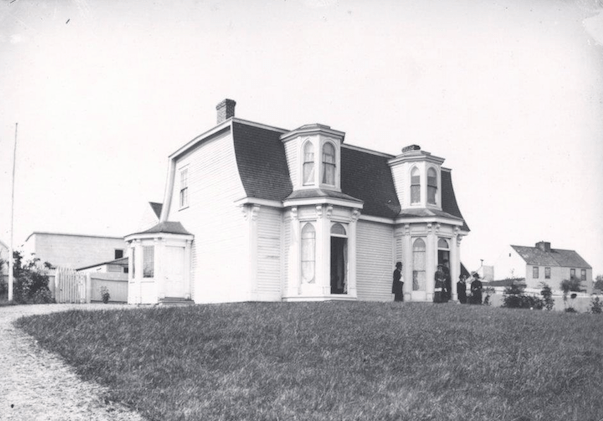
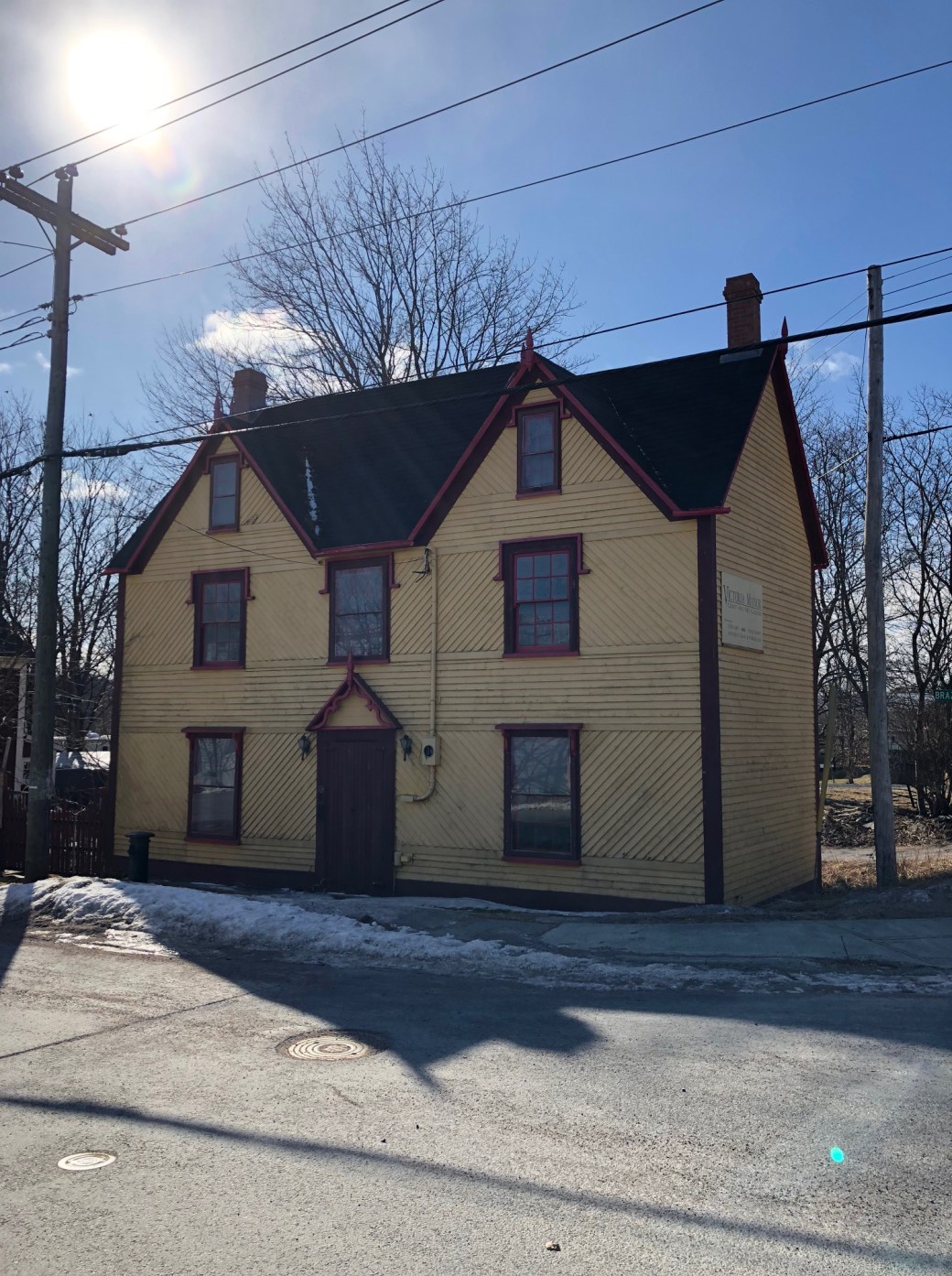
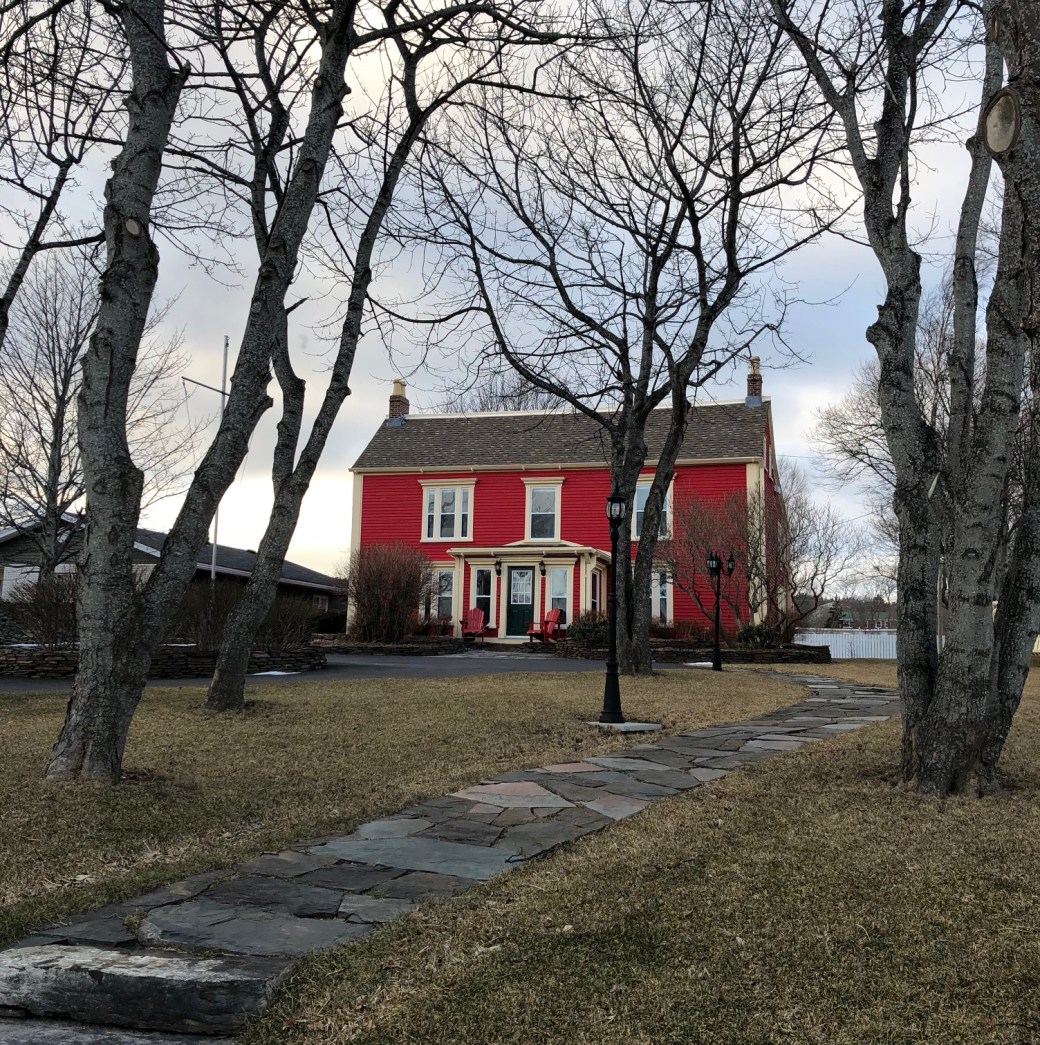
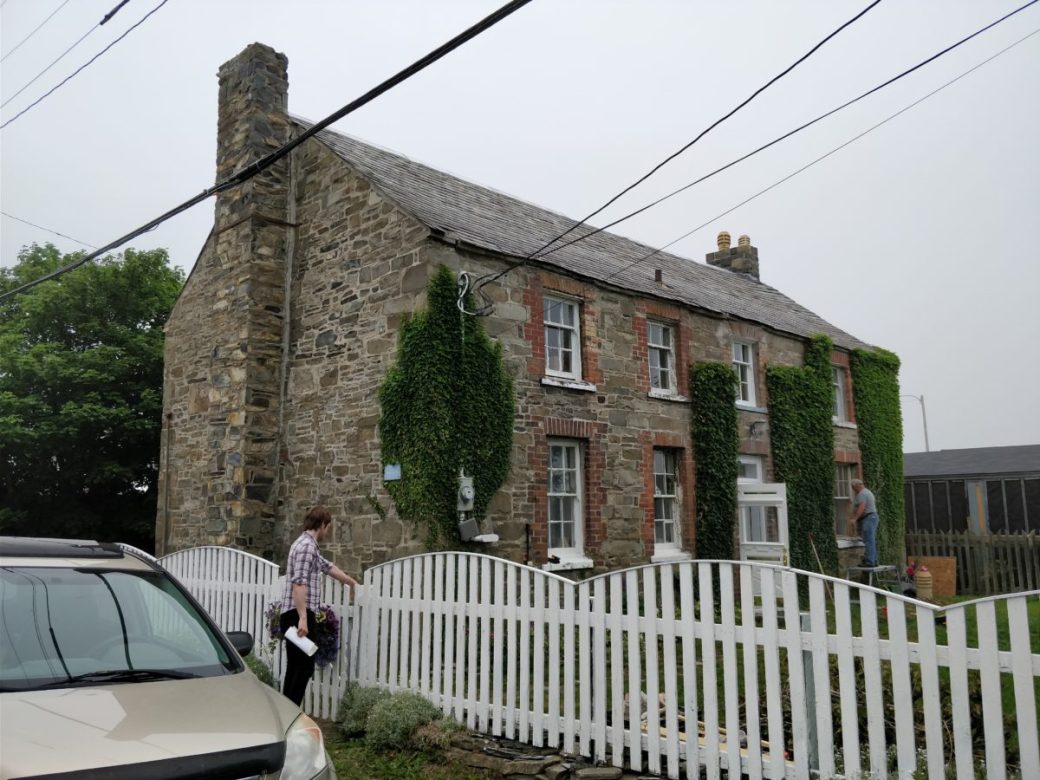
The National Trust for Canada and Heritage NL‘s “Heritage Week” runs from February 18 – 24, 2019. Check out some photos of built heritage in Harbour Grace. (The official designations of these sites vary and are listed in the captions below.)
Do you have any particular memories of these sites? Their former owners and uses? Message us on Facebook & Twitter, or email us at conceptionbaymuseum@outlook.com. We’d love to hear from you!


Immaculate Conception Cathedral (1889)

Immaculate Conception Cathedral (1889), Registered Heritage Structure. Author photograph.

St. Paul's Anglican Church (1835)

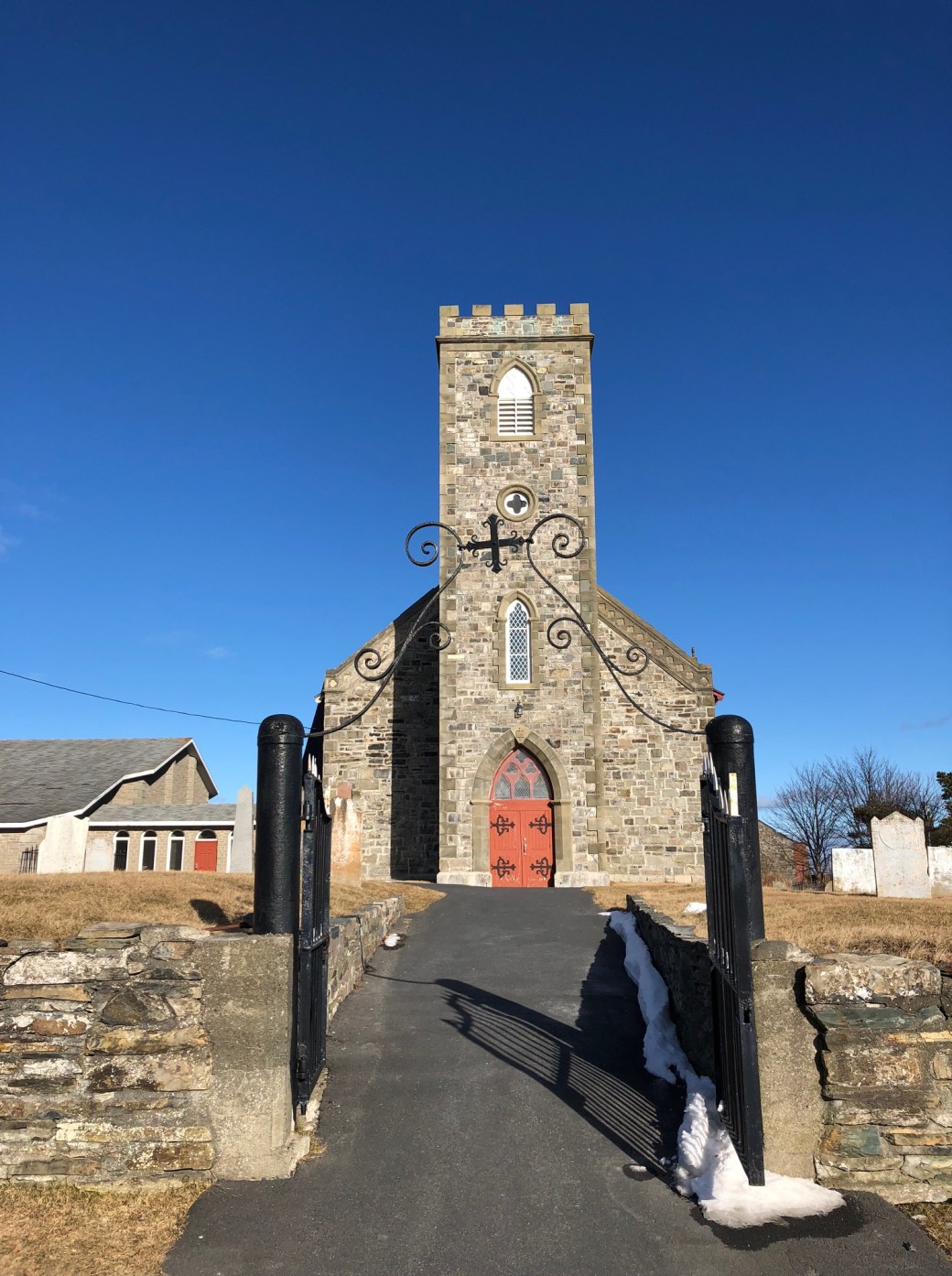
St. Paul’s Anglican Church (1835), Registered Heritage Structure. Author photograph.

West End Mercantile Establishment (1854)

West End Mercantile Establishment (ca. 1854), Registered Heritage Structure. Author photograph.

Payne House (1856)

Payne House (ca. 1856), Registered Heritage Structure. Author photograph.

Goodland House (ca. 1850)

Goodland House (ca. 1850), Registered Heritage Structure. Author photograph.

Harbour Grace Railway Station (ca. 1884)

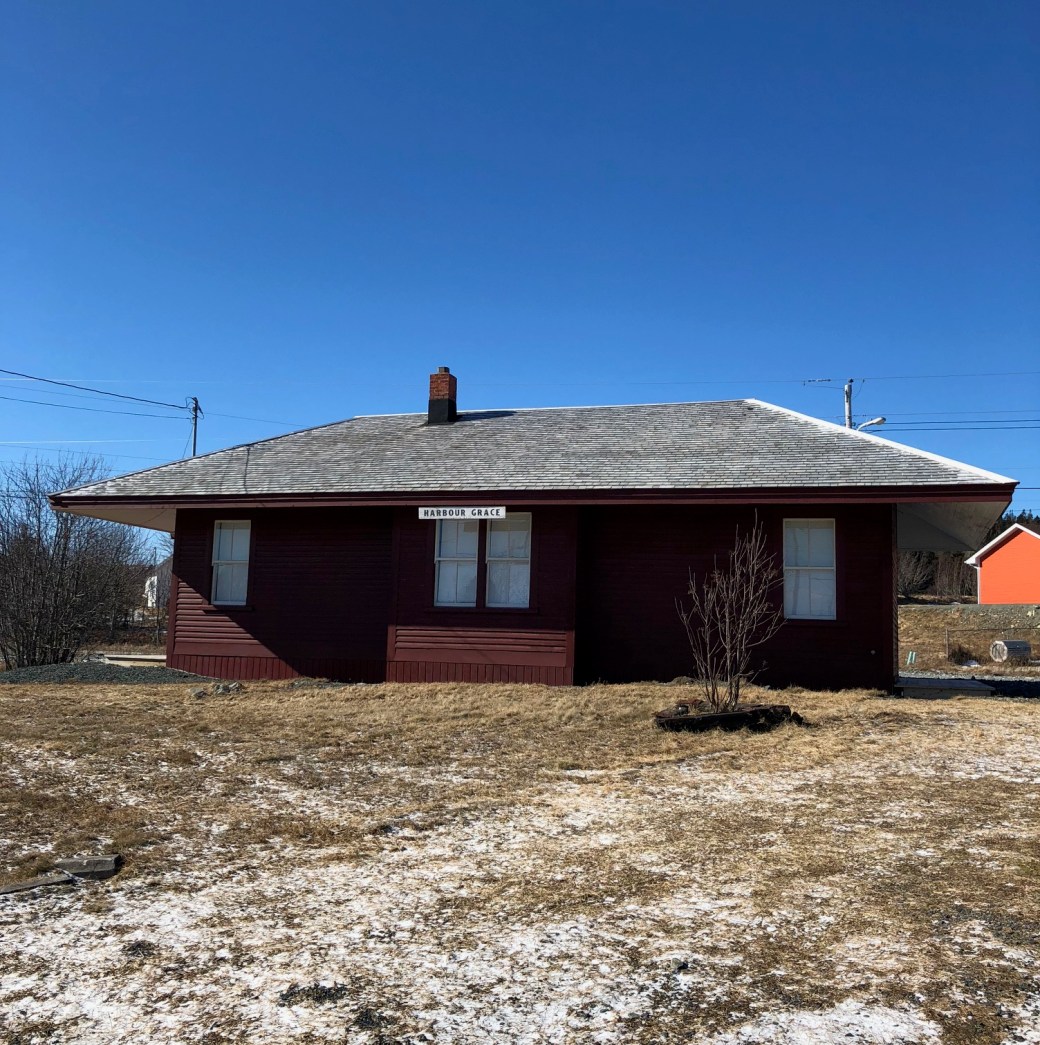
Harbour Grace Railway Station (ca. 1884), Registered Heritage Structure. Author photograph.

Victoria Manor (ca. 1826)

Victoria Manor (ca. 1830), Registered Heritage Structure. Author photograph.

Hampshire Cottage / Garrison House (ca. 1830)

Hampshire Cottage / Garrison House (ca. 1826), Registered Heritage Structure. Author photograph.

Rothesay House / Munn Residence / Godden Residence (1855/1906)

Rothesay House / Munn Residence / Godden Residence (ca. 1855 / 1906), Registered Heritage Structure. Author photograph.

Ridley Hall Ruins (1834)

Ridley Hall Ruins (1834), Registered Heritage Structure. Author photograph.

Ridley Office (1838)

Ridley Office (1838), Registered Heritage Structure. Photo courtesy Heritage NL.

Harbour Grace Courthouse (1830)

Harbour Grace Courthouse (1830), National Historic Site. Author photograph.

Otterbury Schoolhouse (ca. 1884)

Otterbury Schoolhouse (ca. 1884), Municipal Heritage Site. Author photograph.

Masonic Lodge Harbour Grace No. 476 A.F. and A.M., S.C (ca. 1868)

Masonic Lodge Harbour Grace No. 476 A.F. and A.M., S.C (ca. 1868), Municipal Heritage Site. Author photograph.

Customs House (ca. 1870), Municipal Heritage Site

Customs House (ca. 1870), Municipal Heritage Site. Author photograph.

The Maples / Simmons Residence (ca. 1900), Municipal Heritage Site

The Maples / Simmons Residence (ca. 1900), Municipal Heritage Site. Author photograph.

Stevenson House (ca. 1859)

Stevenson House (ca. 1859). Author photograph.

Rose Manor / Cron House (1879)

Rose Manor / Cron House / Thornhill / Bellevue (1879). Author photograph.

Further Information

Harbour Grace Registered Heritage District: Heritage NL | hrgrace.caHistoric Places | District Report (1992)

Immaculate Conception Cathedral: Heritage NL | Historic Places | Heritage NF | hrgrace.ca

St. Paul’s Anglican Church: Heritage NL | Historic Places | Heritage NF | hrgrace.ca | Ten Historic Towns (1978)

West End Mercantile Establishment: Heritage NL | Historic Places | Ten Historic Towns (1978)

Payne House: Heritage NL | Historic PlacesHeritage NF

Goodland House: Heritage NL | Historic Places | Heritage NF

Harbour Grace Railway Station: Heritage NL | hrgrace.ca | Historic Places | HNL Occasional Paper No. 008

Victoria Manor: Heritage NLHistoric Places | Heritage NF

Hampshire Cottage / Garrison House: Heritage NL | Ten Historic Towns (1978) | Heritage NF

Rothesay House / Munn Residence / Godden Residence: Heritage NL | Historic Places | hrgrace.ca | rothesay.com

Ridley Hall Ruins: Heritage NLHistoric PlacesHeritage NF

Ridley Office: Heritage NL | Historic Places | Heritage NF

Harbour Grace Courthouse: Parks Canada | hrgrace.ca | Historic Places

Otterbury Schoolhouse: hrgrace.caHistoric Places

Masonic Lodge: Heritage NL | Historic Places 

Customs House: Ten Historic Towns (1978) | hrgrace.ca

The Maples / Simmons Residence: Heritage NL | Historic Places 

Stevenson House: Ten Historic Towns (1978)

Rose Manor / Cron House / Thornhill / Bellevue: Ten Historic Towns (1978) | rosemanorinn.com | hrgrace.ca

Profile: Archibald Munn, 1814-1877

Archibald Munn gravesite, 2019

Archibald Munn gravesite, St. Andrew’s Presbyterian Cemetery, Feb. 15, 2019. Author photograph.

Archibald Munn, of Rothesay, Scotland, came to Newfoundland in 1844 to work his uncle, John Munn, at his mercantile firm, Punton & Munn. On November 29, 1845, he married Elizabeth Ellis, daughter of Rev. William Ellis, at Harbour Grace.

In 1859, after gaining the requisite experience, Archibald went into business with Michael Carroll, establishing a fishing supply firm, Munn & Carroll, on the south side of King’s Cove, Bonavista Bay. Their business was extensive, and they had significant interests in Labrador herring.

The firm declared insolvency ten years after its founding, in 1869. J.T. Lawton and P.K. Devine summarized the failure in A History of King’s Cove (1944): Archibald had “an unwarrantable faith in people’s honesty,” Carroll “too many irons in the fire at one time to give proper attention to the business.” After bankruptcy, the firm owed John Munn & Co. $120,000. According to Lawton and Devine, King’s Cove suffered greatly that winter, due to the firm’s failure: “No flour could be had in King’s Cove. The supply of flour was short in Trinity also, and those King’s Covians who went to Trinty for flour had to be satisfied with Indian meal.”
In either 1871 or 1873 Munn purchased the Harbour Grace Standard and Conception Bay Advertiser, a popular newspaper, from the estate of its founder, William Squarey. After Munn’s death at Harbour Grace on February 21, 1877, his two sons, James T. and John D. Munn, continued to publish the paper. He is buried at St. Andrew’s Presbyterian Cemetery, on Military Rd, along with other prominent members of the Munn family.

Archibald Munn headstone

Archibald Munn headstone. Photo by Anne Gosse. (Source: findagrave.com)

This post is part of the Harbour Grace Notebook series. Follow the updates on social media with the hashtag #hgnotebook

Sources & Further Information

Devine, P.K., and J.T. Lawton. A History of King’s Cove. 1944.

“Munn, Archibald.” Encyclopedia of Newfoundland and Labrador, 1981. pp. 650.


— Written by Matthew Gerard McCarthy (Communications Officer) for the Conception Bay Museum, Harbour Grace.